Grow A More Productive Garden With Companion Planting
Grow a More Productive Garden with Companion Planting
Companion planting is a gardening technique that involves planting two or more plant species in proximity for mutual benefit. The practice has been used around the world for millennia to improve soil fertility, control pests and diseases, and increase crop yields.
There are many different benefits to companion planting. Some of the most common include:
- Improved soil fertility: Some plants, such as legumes, can fix nitrogen from the atmosphere and add it to the soil, which can benefit other plants.
- Control of pests and diseases: Certain plants can repel or attract pests, which can help to keep your garden healthy. For example, marigolds can repel aphids, while basil can attract predatory insects that eat aphids.
- Increased crop yields: Companion planting can help to increase crop yields by providing shade, windbreaks, or other benefits to neighboring plants.
- Attraction of pollinators: Many companion plants attract pollinators, such as bees and butterflies. These insects are essential for pollination, which is necessary for the growth of many fruits and vegetables.
If you are new to companion planting, there are a few things you should keep in mind. First, it is important to do your research and learn about the specific benefits of different plant combinations. There are many resources available online and in libraries that can help you with this.
Second, it is important to consider the size and layout of your garden when planning your companion plantings. Some plants, such as corn and beans, need a lot of space to grow, while others, such as carrots and radishes, can be planted closer together.
Finally, be patient and experiment. It may take some trial and error to find the right companion planting combinations for your garden. But once you do, you will be rewarded with a more productive and pest-resistant garden.
Here are some specific examples of companion plantings:
- Tomatoes and basil: Basil repels aphids, which can be a major pest for tomatoes. Basil also enhances the flavor of tomatoes.
- Carrots and onions: Carrots and onions repel each other's pests, so they can be planted together to help protect each other.
- Beans and corn: Beans fix nitrogen from the atmosphere, which can benefit corn. Corn provides a trellis for beans to climb.
- Marigolds and cabbage: Marigolds repel cabbageworms, which can be a major pest for cabbage.
Here are some tips for companion planting:
- Plant tall plants in the back of your garden and shorter plants in the front. This will help to maximize sunlight exposure for all of your plants.
- Plant plants with similar water needs together. This will help to prevent overwatering or underwatering.
- Plant plants with similar nutrient needs together. This will help to prevent nutrient deficiencies.
- Plant plants with similar growth habits together. This will help to prevent overcrowding and competition for resources.
With a little planning and effort, you can use companion planting to create a more productive and pest-resistant garden. So get out there and start experimenting!
Do you love gardening? If so, you know that one of the most important things is to plant vegetables that grow well together. This will help your plants thrive and produce a bountiful harvest.
There are a number of factors to consider when choosing vegetables to plant together. For example, some vegetables have similar nutrient requirements, so they will benefit from being planted near each other. Others have different root systems, so they will not compete for water and nutrients.
If you're not sure which vegetables to plant together, I recommend visiting Gardenia Inspiration. This website has a comprehensive list of vegetables that grow well together, as well as information on planting spacing and companion planting.
FAQ of vegetables that grow good together
Q1. What are some vegetables that grow well together?
A. There are many different vegetables that grow well together, but some of the most popular combinations include:
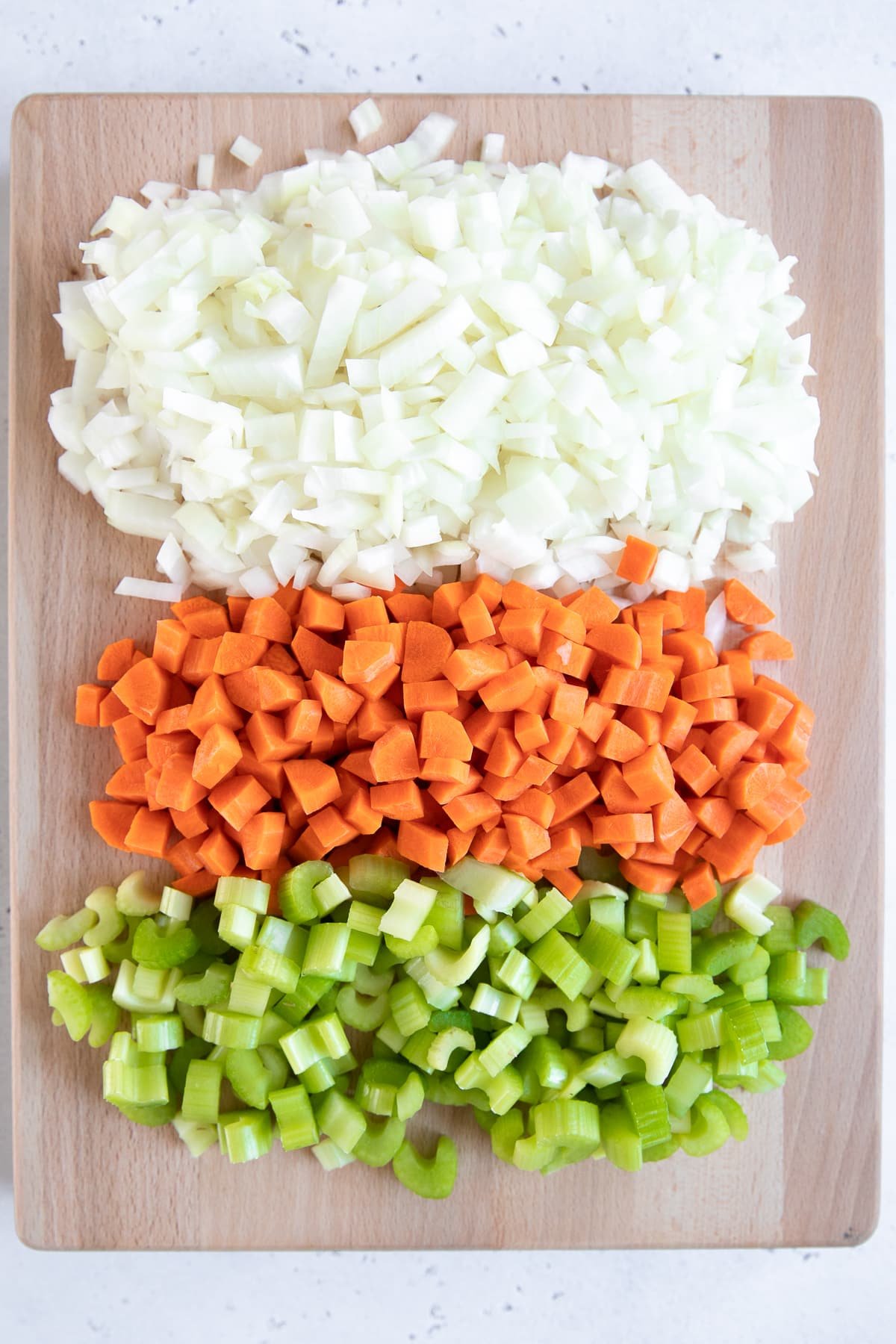
- Carrots and onions: These two vegetables have different rooting depths, which means they won't compete for water or nutrients. They also help to repel pests from each other.
- Lettuce and tomatoes: Lettuce doesn't need a lot of water, so it can help to prevent tomatoes from getting too soggy. Tomatoes also provide shade for lettuce, which can help to protect it from the sun.

- Beans and corn: Beans fix nitrogen in the soil, which benefits corn. Corn provides shade for beans, which can help to prevent them from getting too hot.

- Peas and carrots: Peas and carrots have similar growing requirements, so they can be planted together easily. They also help to attract beneficial insects to the garden.

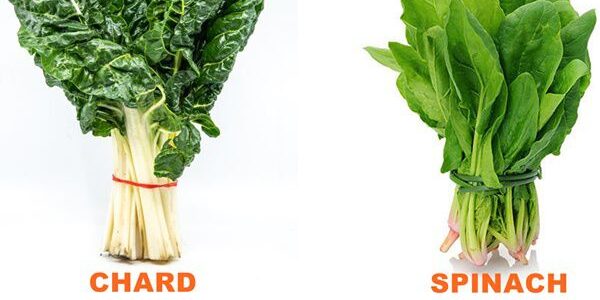
- Spinach and Swiss chard: These two leafy greens can be planted together because they have similar water and nutrient requirements. They also help to suppress weeds.
Q2. How do I know which vegetables to plant together?
A. There are a few things to consider when choosing vegetables to plant together. First, you need to think about their growing requirements. Do they need the same amount of water and sunlight? Do they have similar rooting depths?
Second, you need to consider their pest and disease resistance. Some vegetables are more susceptible to certain pests and diseases than others. Planting them together can help to protect them from each other.
Finally, you need to consider the aesthetic appeal of your garden. If you want your garden to look its best, you'll want to plant vegetables that complement each other's colors and textures.
Q3. What are some of the benefits of planting vegetables together?
A. There are many benefits to planting vegetables together. Some of the most common benefits include:
- Reduced competition for resources: When vegetables are planted together, they can share resources like water and nutrients. This can help to reduce the amount of water and fertilizer you need to use.

- Increased pollination: Some vegetables, like tomatoes and peppers, need to be pollinated by insects in order to produce fruit. Planting these vegetables together can help to increase pollination and yield.

- Disease and pest control: Some vegetables can help to repel pests or diseases from other vegetables. For example, planting marigolds near tomatoes can help to repel nematodes.
- Improved aesthetics: Planting vegetables together can create a more visually appealing garden. When vegetables are planted in complementary colors and textures, they can create a stunning display.
Q4. What are some of the challenges of planting vegetables together?
A. There are a few challenges to planting vegetables together. Some of the most common challenges include:
- Competitive growth: Some vegetables can be more aggressive than others and may crowd out or compete with neighboring plants.
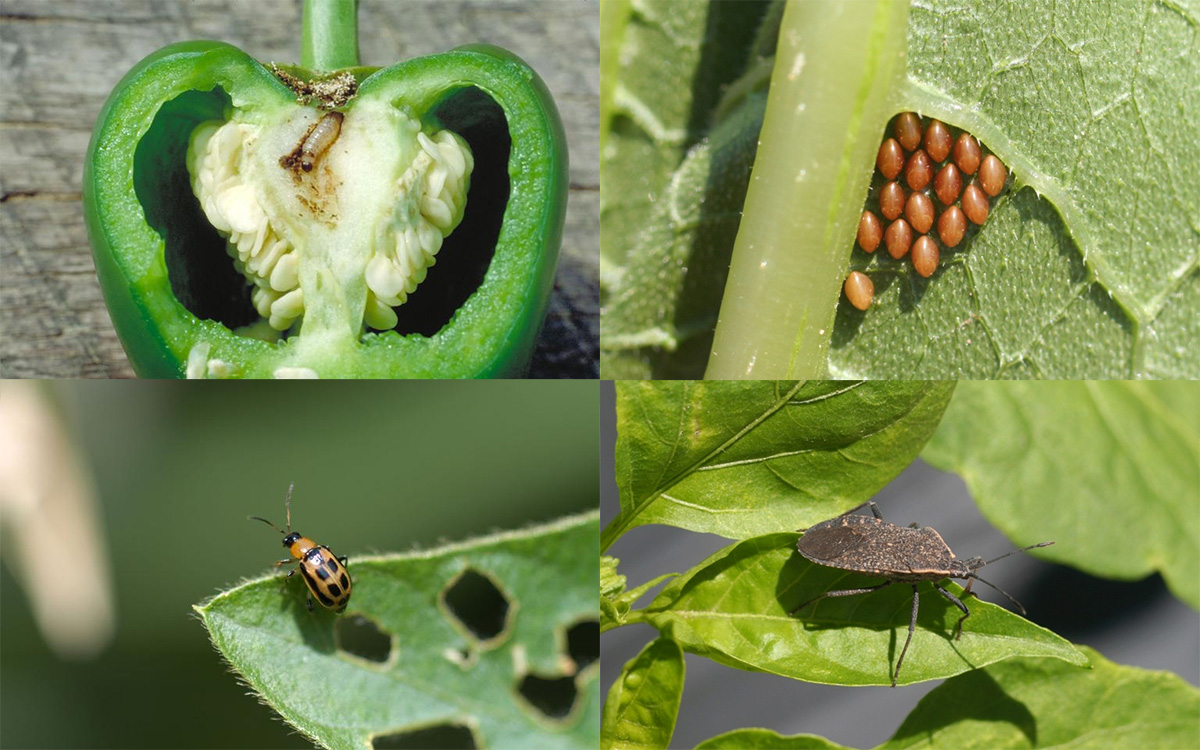
- Disease and pest transmission: If one vegetable in a grouping is infected with a disease or pest, it can spread to the other vegetables.
- Shade: Some vegetables need full sun, while others prefer partial shade. If you plant these vegetables together, the ones that need full sun may not get enough light.
Q5. How can I avoid the challenges of planting vegetables together?
A. There are a few things you can do to avoid the challenges of planting vegetables together. First, do your research and choose vegetables that have compatible growing requirements.
Second, plant vegetables in different heights to avoid shading each other.
Third, pay attention to the spacing requirements of your vegetables. If you plant them too close together, they may compete for resources.
Finally, monitor your garden for signs of pests and diseases. If you see any problems, take action immediately to prevent them from spreading.
Image of vegetables that grow good together
5 different images of vegetables that grow good together:
- Carrots and tomatoes: These two vegetables attract different pests, so they can help each other out. Carrots attract carrot flies, while tomatoes attract tomato hornworms. By planting them together, you can help to keep these pests in check.
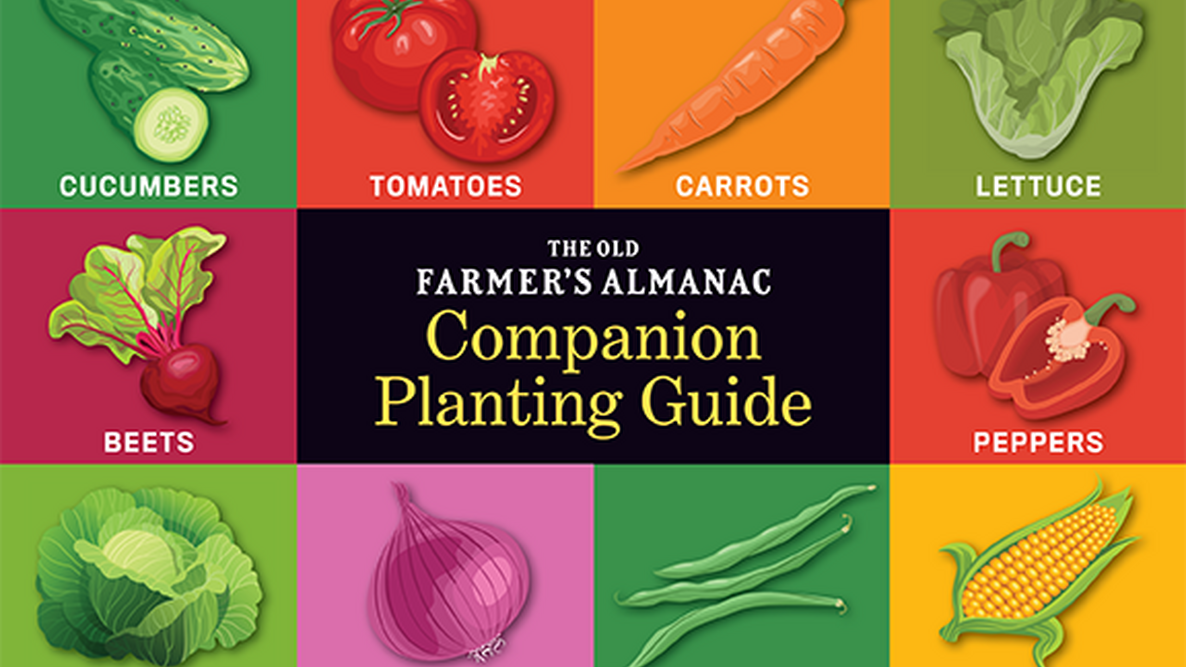
- Beans and corn: Beans fix nitrogen in the soil, which is a nutrient that corn needs. So, by planting these two vegetables together, you can help to improve the soil quality for both plants.
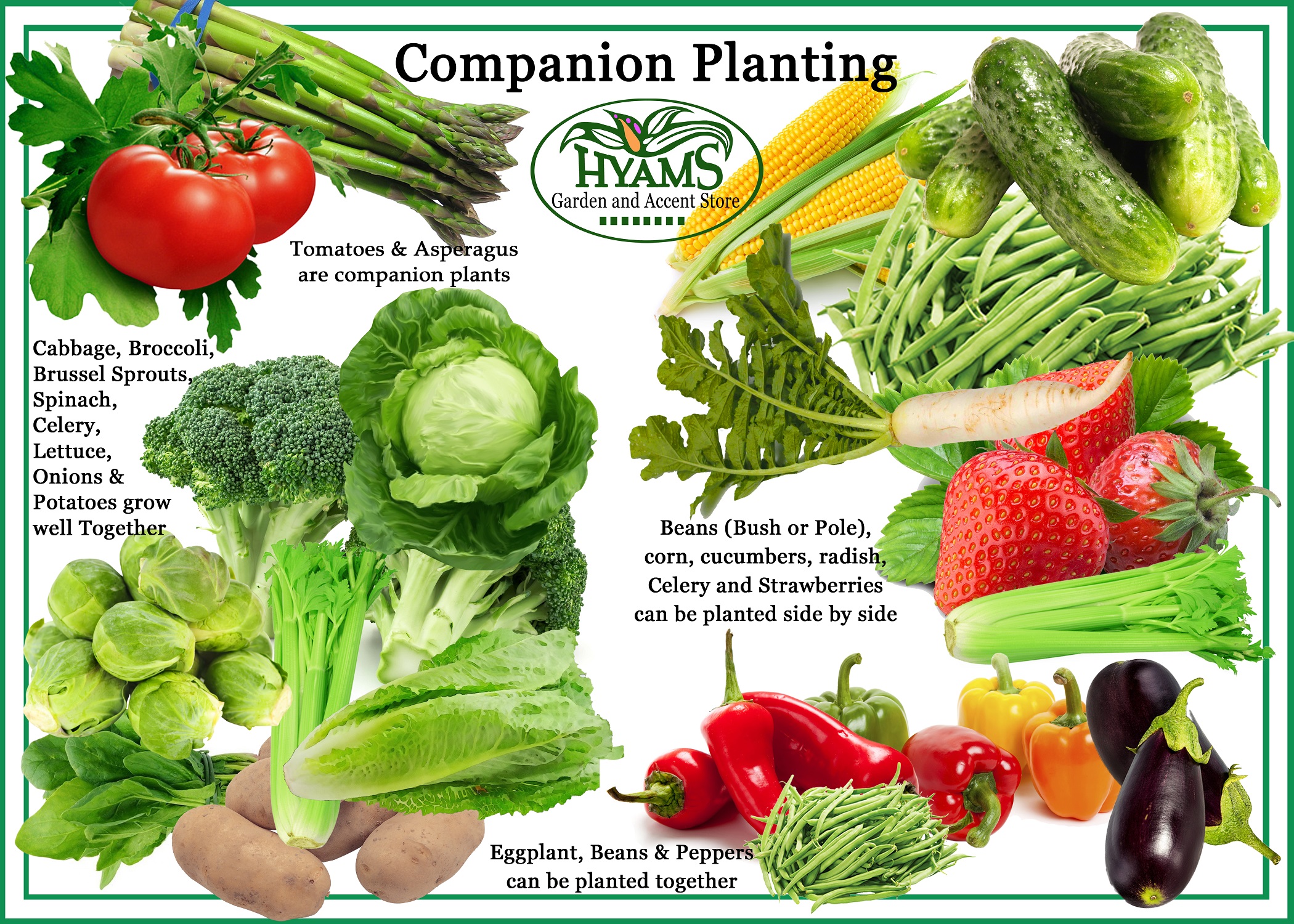
- Lettuce and spinach: These two leafy greens shade the soil, which helps to keep it cool and moist. This is especially important in hot climates, where lettuce and spinach can bolt (flower and go to seed) if the soil gets too hot.
- Peas and onions: Peas attract nitrogen-fixing bacteria, which helps to improve the soil quality for onions. Onions, in turn, help to repel pests that can damage peas.
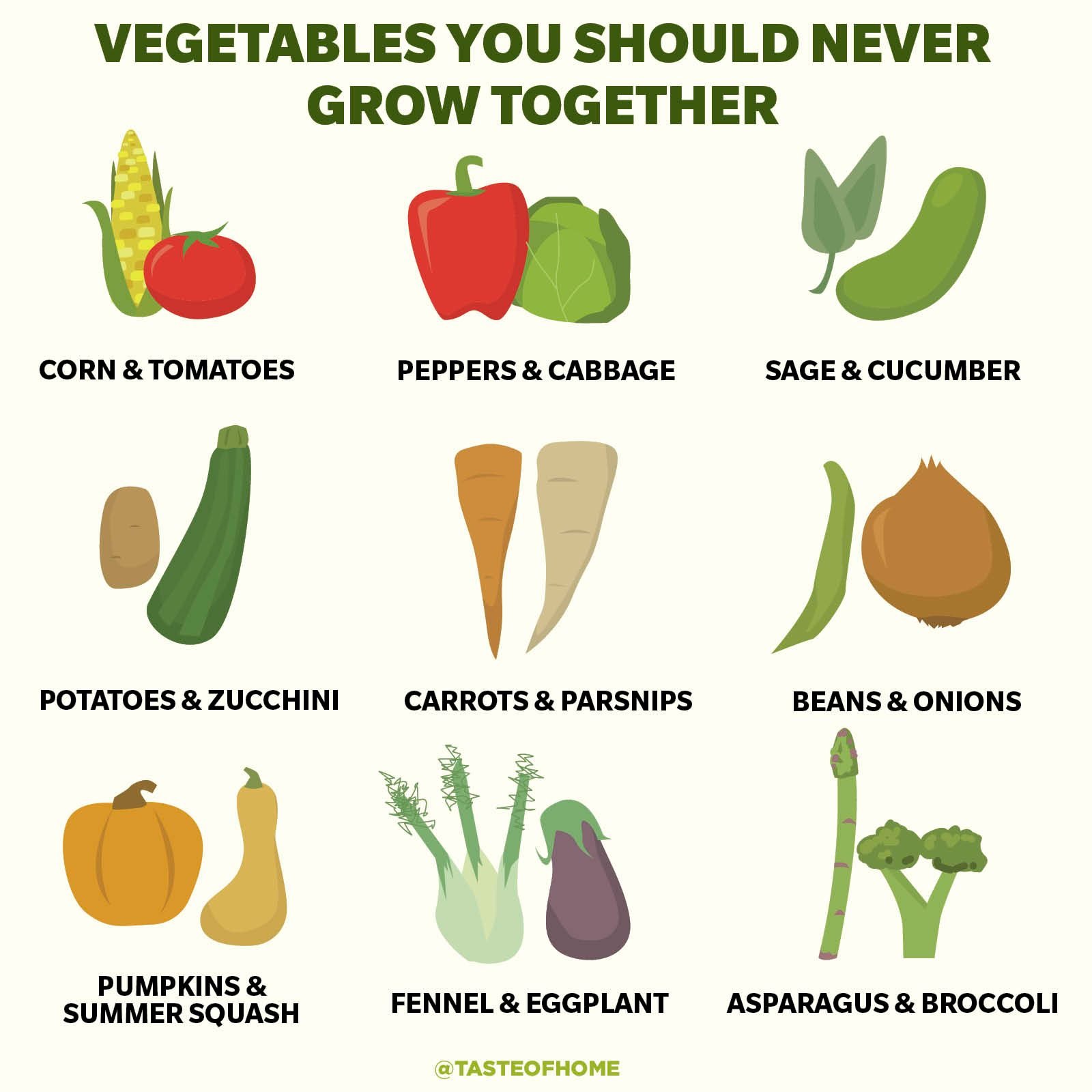
- Squash and cucumbers: These two vegetables have similar growing requirements, so they can be planted together. They both need full sun, well-drained soil, and regular watering.

Post a Comment for "Grow A More Productive Garden With Companion Planting"